Newsletter Vol.6 March 2023

Introduction
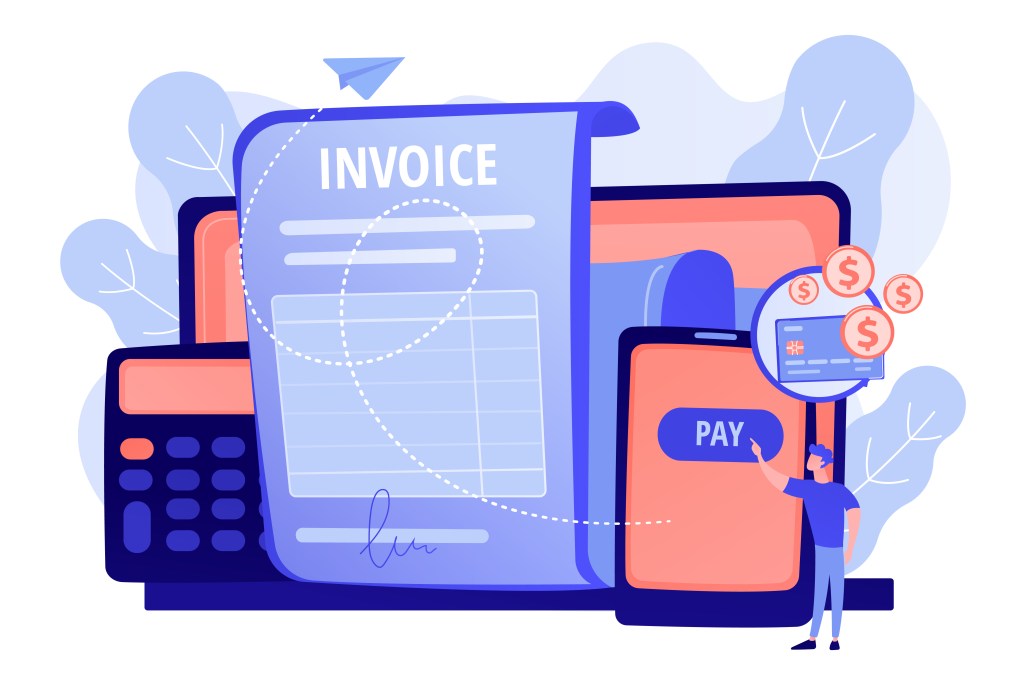
Are you looking for a way to improve your business? If so, you should consider revenue management. Revenue management is the process of planning, controlling, and analyzing a company’s revenue. It is a key aspect of business and can have a significant impact on a company’s bottom line.
There are many different aspects of revenue management, such as accounts receivable, commonly known as debtors’ management, invoicing, and payment terms. Each of these aspects is important and can contribute to a company’s success or failure.
In this article, we will provide an overview of revenue management and its importance to businesses. Since our focus is mainly on small businesses. We will also discuss some of the key aspects of revenue management and how they can impact a company’s bottom line.
Revenue management: what is it?
Revenue management is the process of managing a company’s income, which includes all the money a business takes in via sales, credit card transactions, and other forms of payment. It helps businesses optimize revenues and create a more efficient system for tracking, budgeting, and collecting payments. Revenue management is also concerned with understanding customer preferences and behavior in order to better serve them and increase overall profits. Revenue management involves various processes such as pricing, market segmentation, customer segmentation, billing and collection processes, payment terms, customer service policies, and marketing. It also encompasses tracking income, sales trends, customer behavior, and analyzing financial performance. By understanding customer preferences and optimizing pricing, businesses can increase profits, improve customer satisfaction, and reduce the risk of customer attrition.

How can it help your business?
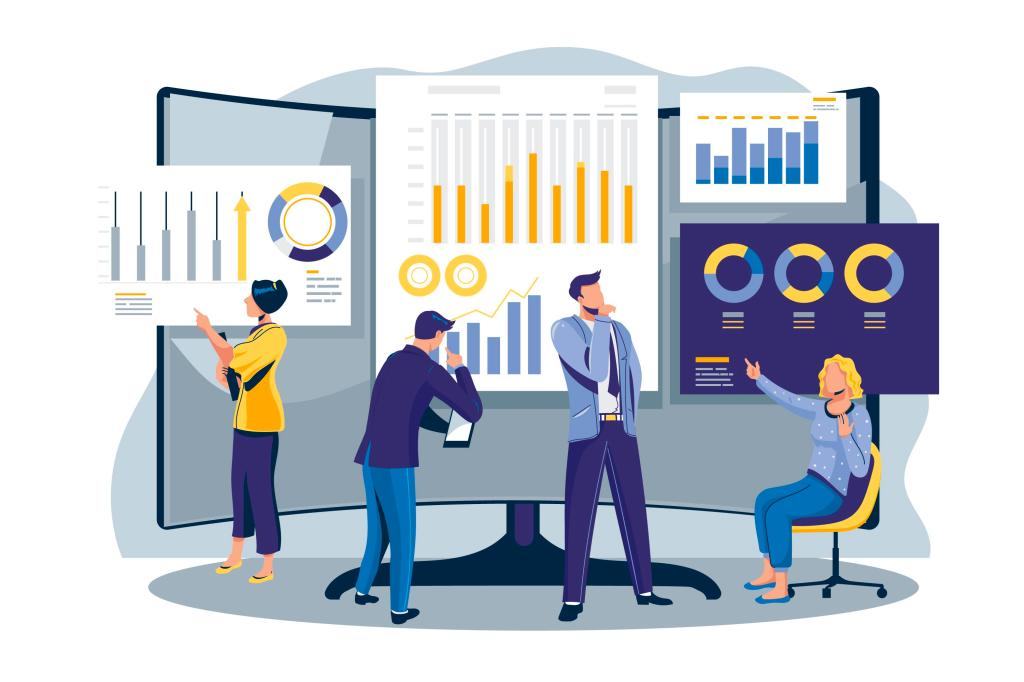
Revenue management can help businesses improve their financial performance, streamline processes and increase profitability. By understanding customer preferences and optimizing pricing accordingly, businesses may be able to increase their revenues by targeting new customers who are likely to pay more than existing customers. Revenue management can also help businesses reduce costs. By reducing costs, businesses can increase their profit margins and maximize their operating profits. This, in turn, helps businesses remain competitive and ensures their long-term sustainability. Utilizing effective revenue management strategies can help businesses reduce overhead costs, optimize their pricing and marketing strategies, and increase their customer satisfaction levels. Making efficient use of revenue management strategies also allows businesses to keep track of customer trends, analyze customer behavior and optimize pricing accordingly. This helps businesses better understand their target market and adjust their pricing strategies to better cater to customers’ needs and preferences.
Differences between Accounts Receivable and Revenue management
Accounts receivable and revenue management are both important aspects of revenue management, though they are distinct and separate processes. Accounts receivable involves collecting payments from customers and managing customer payments, while revenue management involves optimizing prices and revenue streams, analyzing customer behavior and making decisions to increase profits. Accounts receivable management is the process of ensuring a business receives the money it is owed. This involves tracking customer payments, issuing invoices, and collecting overdue payments. Accounts receivable are a critical component of revenue management, as businesses must ensure they receive payment to stay afloat. Revenue management, on the other hand, is focused on optimizing prices, customer segmentation, market segmentation, customer service policies, billing and collection processes and tracking revenue. It also involves understanding customer behavior and preferences in order to better serve them and improve profits.
The benefits of effective accounts receivable management
Accounts receivable management is a key component of revenue management and can have a profound effect on a business’s bottom line. Effective accounts receivable management ensures a business collects all the money it is owed, without having to pay additional fees associated with late payments. Effective accounts receivable management also helps businesses reduce costs associated with bad debts, late payments and customer attrition. By tracking customer payments, monitoring customer activity and offering incentives, businesses may be able to increase customer satisfaction and reduce the risk of customer attrition. Additionally, effective accounts receivable management can help businesses reduce paperwork and minimize the manual processing of payments. By automating accounts receivable processes and integrating them with payment systems, businesses can reduce their administrative costs and improve their overall efficiency. This helps to reduce the amount of time spent processing payments and ensures a more streamlined process.
The key to successful accounts receivable management
The key to successful accounts receivable management is automation. Automating accounts receivable systems and integrating them with payment systems can help businesses reduce time spent processing payments and allow them to focus on other areas of their business. Additionally, automating accounts receivable systems also gives businesses better visibility into customer activity, allowing them to take proactive steps to prevent late payments. Additionally, tracking customer payments and customer activity is essential for successful accounts receivable management. By understanding customer behavior and preferences, businesses can better manage their receivables and be more prepared for any potential issues. Moreover, businesses should also have the ability to offer incentives and discounts to customers who pay on time. Additionally, businesses should ensure they have a system in place to ensure customers are notified promptly when payments are due. All of these steps can help to ensure customer payments are received promptly.
Tip for the month:
For our monthly newsletter viewers. Ensure that you make use of a cost-effective but suitable tool that allows you to monetize your blogs in the form of paid subscriptions. Free is good. In the long term, you need to monetize the hours spent researching and writing blogs.


Tools for successful accounts receivable management
Automation and tracking are important elements of successful accounts receivable management, but they are not the only tools necessary. There are many different tools available to help businesses manage their accounts receivable and ensure customer payments are received promptly. One of the most important tools is invoicing software. Invoicing software can help businesses automate their invoicing processes, ensuring customers are notified when payments are due and keeping track of customer payments. Invoicing software also helps businesses keep track of accounts receivable, allowing them to see which customers have outstanding payments. Another tool that can help businesses manage their accounts receivable is payment processing software. Payment processing software allows businesses to seamlessly process payments from customers, ensuring prompt payment and eliminating the need for manual processing of payments. Outsourcing your accounts receivable division through a bookkeeping firm can save you a lot of time and money. The benefit of outsourcing to a bookkeeping or accounting firm is monthly reporting and KPI analyses of risk relevant to your revenue management strategy or advice on possible latest feasible technology that can enhance your accounts receivable or revenue management strategy department.
Getting started with accounts receivable management
Accounts receivable management is an essential tool for any business. To get started, businesses should first review their current accounts receivable processes and identify any areas that could be improved. This could include automating accounts receivable processes, introducing payment incentives and discounts, or implementing customer segmentation. Businesses should then acquire the necessary tools to help manage their accounts receivable. This could include setting up invoicing software, payment processing software, or other accounts receivable management tools.
Finally, businesses should establish clear policies regarding payment terms, customer service, and payment due dates. These policies should be measured, monitored and re-evaluated regularly to ensure they remain effective and to ensure accounts receivable processes are running smoothly.
In closing we at Biznezz Hub Consultancy pride ourselves in providing easily accessible and affordable bookkeeping, accounting and business management services. We understand the need for affordable bookkeeping services As small businesses often run into cashflow problems, hence that is why we are here to help where we can.
We are not a traditional bookkeeping service and we do blogs and create content on various of our social media platforms. We understand that running a business is not easy and at times stressful.










 Biznezz Hub Consultancy